China’s Peacekeepers and the Diplomacy of Recognition
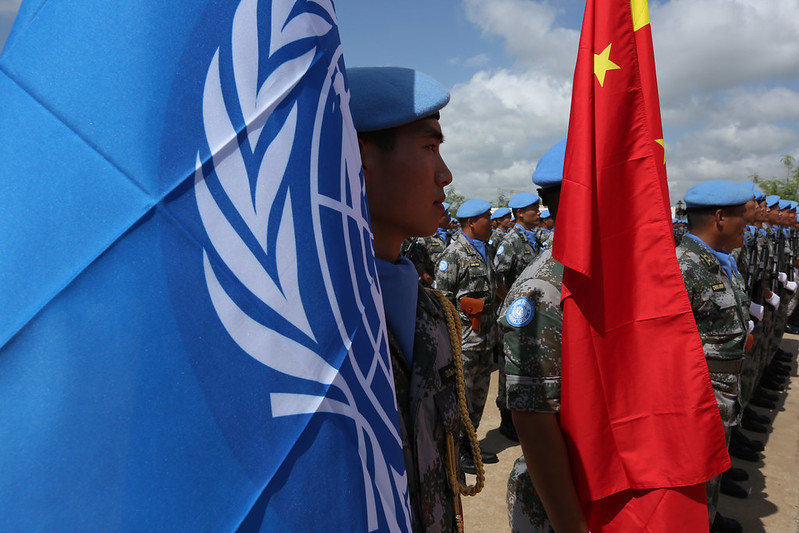
My latest piece for The China Global South Project examines how China’s contributions to UN peacekeeping are presented — not only in what peacekeepers do, but in how their work is described and celebrated. I take the recent medal ceremony for China’s 11th Peacekeeping Infantry Battalion in South Sudan as a case study in the language of diplomacy. It is a story less about peace achieved, and more about how recognition itself becomes part of China’s global self-presentation.
This tension between what is and what is being communicated in contexts of peace and conflict runs through much of my work. Over the past few years, I’ve explored how policy, perception, and narrative intersect in China’s engagement with the Global South. Through regular contributions to The China Global South Project, I’ve written about China’s presence across East Africa and the Middle East.
This new piece connects that ongoing inquiry with my academic roots — and with the fieldwork at the heart of my PhD. During that research, I spent extended periods among the Chinese community in Juba, studying how peace and security were lived, discussed, and understood from within. These experiences continue to shape how I approach questions of language, diplomacy, and credibility in international settings.
The article appears against a shifting backdrop. South Sudan once again faces rising insecurity, with conflict spreading in the north and political struggles testing a fragile peace. Juba today feels markedly less stable than it once did. It’s a reminder to ask what “peacekeeping” really means — and whose narratives define it.
→ Read the full article on The China Global South Project
Photo: Members of China’s peacekeeping battalion receiving UN medals for service in Juba, South Sudan (2017). Via Flickr, by Eric Kanalstein / UNMISS — used under a Creative Commons CC BY-NC-ND 2.0 license.