China after 7 October: Language, History, and the Politics of Neutrality
Understanding geopolitical risk requires more than following official positions. It also requires paying close attention to the language governments use, the historical narratives they draw upon, and the assumptions that shape how international events are interpreted.
My latest essay for the Telos-Paul Piccone Institute explores China’s response to the Hamas attacks of 7 October 2023 through this lens. Beijing presented itself as an impartial advocate of peace, calling for restraint, the protection of civilians, and a two-state solution. Yet a closer reading of its official statements, legal interventions, and diplomatic initiatives suggests that its claim to neutrality was more selective than it first appeared.
Rather than judging China’s position solely by its formal diplomatic relations, I examine how official discourse distributed agency, victimhood, legitimacy, and responsibility. The article argues that Palestinian suffering was consistently situated within a detailed historical narrative of occupation, dispossession, and national liberation, while Israeli suffering following 7 October was more often absorbed into general language about civilian harm, escalation, and instability. In this sense, historical context did not simply explain the conflict; it shaped the moral framework through which it was understood.
Drawing on Chinese-language government statements, diplomatic documents, and legal submissions, the essay also considers how apparently technical choices of wording carry significant political consequences. Whether describing terrorism, hostages, civilian casualties, or the causes of conflict, language is never entirely neutral. It frames political reality, allocates legitimacy, and signals priorities.
For organisations working internationally, these questions extend well beyond academic debate. Governments communicate strategically, and understanding not only what is said, but how it is said—and what is left unsaid—is often essential for interpreting policy, anticipating diplomatic behaviour, and assessing political risk.
The essay forms part of the Telos-Paul Piccone Institute’s Israel Initiative, which examines the Israel–Palestine conflict through the lens of critical theory.
You can read the full article here:
https://insights.telosinstitute.net/p/china-after-october-7-selective-neutrality
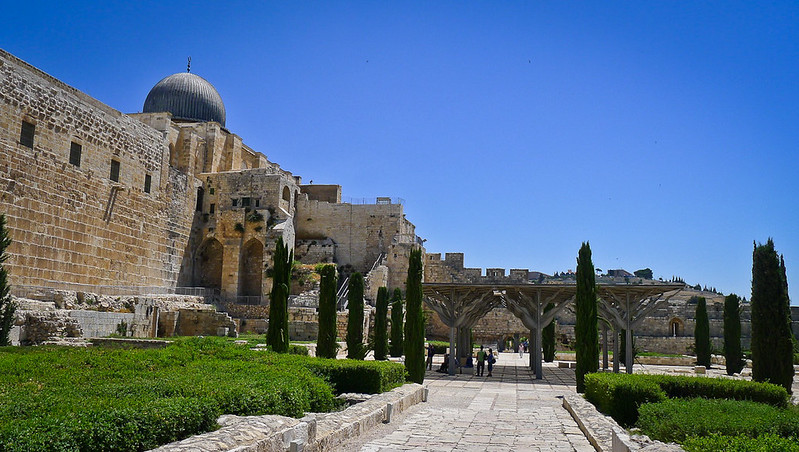
Main image: ‘Israel‘ by Eugene Kaspersky, licensed under Creative Commons Attribution–NonCommercial–ShareAlike 2.0 Generic (CC BY-NC-SA 2.0), via Flickr.